
Ayurvedic Treatment for Autoimmune Diseases: A Comprehensive Guide to Holistic Healing
In recent years, there has been a remarkable shift in how people approach chronic health conditions, particularly autoimmune diseases. While modern medicine has made incredible strides in managing symptoms, many individuals find themselves searching for complementary approaches that address the root causes of their conditions. This is where Ayurvedic treatment for autoimmune diseases emerges as a promising avenue—one that has sustained communities for over 5,000 years.
Autoimmune diseases affect millions globally, with the American Autoimmune Related Diseases Association estimating that approximately 50 million Americans live with one or more autoimmune conditions. These diseases occur when the body’s immune system mistakenly attacks healthy cells, tissues, and organs, leading to chronic inflammation and a cascade of debilitating symptoms. From rheumatoid arthritis to lupus, from psoriasis to inflammatory bowel disease, these conditions significantly impact quality of life, often leaving patients feeling frustrated with conventional treatment options that focus primarily on symptom suppression.
Ayurveda, the ancient Indian system of medicine, offers a fundamentally different perspective. Rather than viewing autoimmune diseases as isolated malfunctions requiring aggressive suppression, Ayurvedic treatment for autoimmune diseases considers these conditions as manifestations of deeper imbalances within the body’s natural intelligence. This holistic framework addresses not just the physical symptoms but also the mental, emotional, and spiritual dimensions of health, recognizing that true healing requires harmony across all these levels.
This comprehensive guide explores how Ayurvedic principles can be applied to autoimmune conditions, what modern science says about these ancient practices, and how patients can integrate Ayurvedic treatment for autoimmune diseases into their healing journey safely and effectively.
Understanding Autoimmune Diseases: When the Body Turns Against Itself
Before exploring Ayurvedic treatment for autoimmune diseases, it’s essential to understand what these conditions are and how they develop. The human immune system is designed to be a sophisticated defense network that protects us from harmful invaders like bacteria, viruses, and parasites. However, in autoimmune diseases, this protective mechanism goes awry.
What Are Autoimmune Diseases?
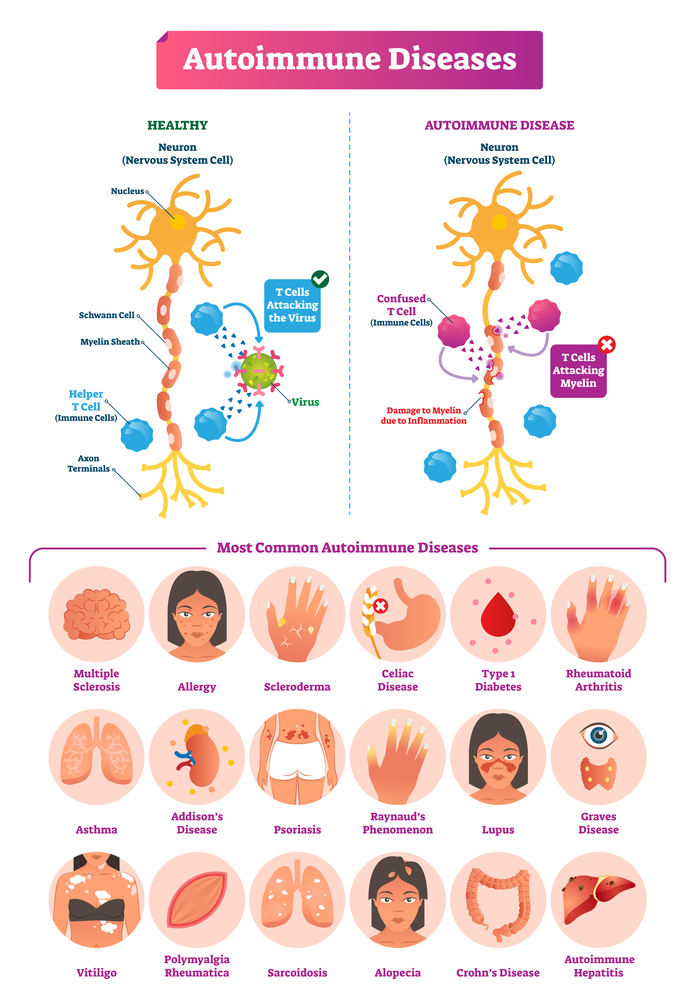
Autoimmune diseases represent a category of more than 80 different conditions where the immune system loses its ability to distinguish between foreign substances and the body’s own cells. This confusion leads to the production of autoantibodies—proteins that attack healthy tissues—resulting in chronic inflammation, tissue damage, and organ dysfunction.
Some of the most common autoimmune diseases include:
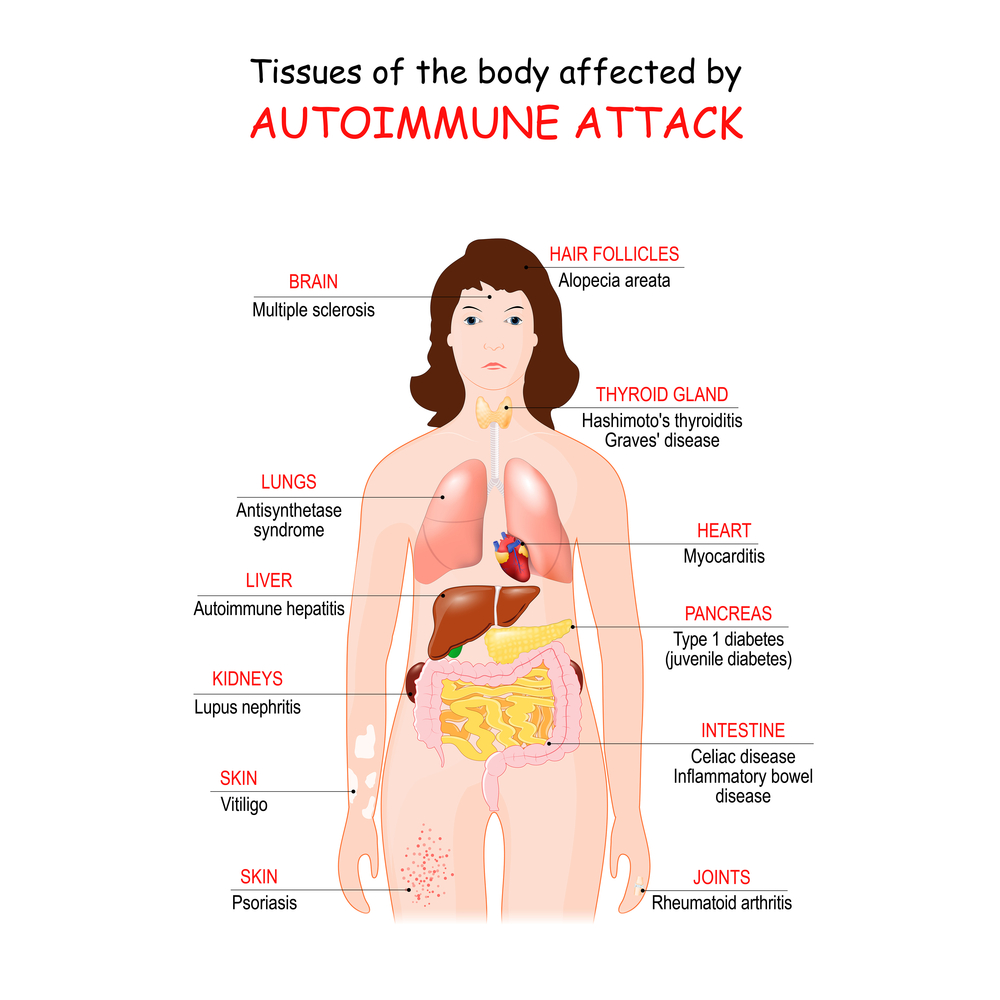
- Rheumatoid arthritis (RA): Attacks joints, causing pain, swelling, and eventual joint destruction
- Systemic lupus erythematosus (SLE): Can affect skin, joints, kidneys, brain, and other organs
- Type 1 diabetes: Destroys insulin-producing cells in the pancreas
- Multiple sclerosis (MS): Damages the protective covering of nerve cells
- Inflammatory bowel disease (Crohn’s disease and ulcerative colitis): Causes chronic inflammation of the digestive tract
- Psoriasis and psoriatic arthritis: Affects the skin and sometimes the joints
- Hashimoto’s thyroiditis: Attacks the thyroid gland
- Celiac disease: Triggered by gluten consumption, damaging the small intestine
Common Symptoms of Autoimmune Diseases
While each autoimmune disease has its unique manifestation, many share overlapping symptoms that can make diagnosis challenging. These commonly include:
- Chronic fatigue and exhaustion that doesn’t improve with rest
- Joint pain, stiffness, and swelling
- Muscle weakness and aches
- Recurring fever or low-grade temperature
- Skin problems (rashes, hives, sensitivity)
- Digestive issues (bloating, constipation, diarrhea)
- Brain fog, difficulty concentrating, and memory problems
- Numbness and tingling in hands and feet
- Hair loss
- Weight changes (unexplained gain or loss)
These symptoms often appear gradually and may wax and wane in intensity, contributing to the challenge of early diagnosis and the emotional burden of living with uncertainty.
Causes and Triggers of Autoimmune Diseases
The exact cause of autoimmune diseases remains an area of active research, but scientists have identified several contributing factors:
- Genetic predisposition: Having family members with autoimmune conditions increases your risk, though genetics alone don’t determine whether you’ll develop disease
- Environmental triggers: Exposure to certain infections, toxins, chemicals, and pollutants can activate autoimmune responses in genetically susceptible individuals
- Gut health dysfunction: Increasingly, research points to intestinal permeability (leaky gut) and microbiome imbalances as central players in autoimmune development
- Hormonal factors: Women are disproportionately affected by autoimmune diseases, suggesting hormones play a role
- Chronic stress: Prolonged psychological stress can dysregulate immune function
- Dietary factors: Certain foods can trigger inflammation and immune reactivity in susceptible individuals
- Molecular mimicry: Some infectious agents share structural similarities with human tissues, potentially confusing the immune system
How Modern Medicine Approaches Autoimmune Diseases
Conventional Western medicine has developed sophisticated diagnostic tools and treatment protocols for autoimmune diseases. Understanding this approach provides context for how Ayurvedic treatment for autoimmune diseases can complement or integrate with standard care.
Conventional Diagnostic Methods
Diagnosis typically involves a combination of clinical evaluation, blood tests (looking for specific autoantibodies, inflammatory markers like C-reactive protein and erythrocyte sedimentation rate), imaging studies (X-rays, MRI, ultrasound), and sometimes tissue biopsies. The diagnostic process can be lengthy and frustrating, as symptoms often overlap and no single test confirms most autoimmune diseases.
Standard Treatment Protocols
Modern medical treatment for autoimmune diseases primarily focuses on managing symptoms and suppressing immune system activity. Common approaches include:
- Nonsteroidal anti-inflammatory drugs (NSAIDs): For pain and inflammation management
- Corticosteroids: Powerful anti-inflammatory medications that quickly reduce immune activity
- Disease-modifying antirheumatic drugs (DMARDs): Slow disease progression by suppressing the immune system
- Biologic therapies: Target specific components of the immune response
- Immunosuppressants: Broadly reduce immune system activity
Limitations of Conventional Approaches
While these treatments can be life-saving and dramatically improve symptoms for many patients, they come with significant limitations:
- Symptom suppression rather than root cause resolution: Medications manage symptoms but typically don’t address underlying imbalances
- Side effects: Long-term use of immunosuppressive medications increases infection risk, may cause bone loss, weight gain, mood changes, and other complications
- Inadequate response: Many patients don’t achieve complete remission or find their symptoms only partially controlled
- Limited holistic perspective: Conventional medicine often doesn’t address lifestyle, diet, stress, and emotional factors comprehensively
- Drug tolerance: Some patients develop resistance or reduced response over time
These limitations have prompted many patients to explore complementary approaches, with Ayurvedic treatment for autoimmune diseases emerging as a particularly comprehensive alternative framework.
The Ayurvedic Perspective on Autoimmune Diseases
Ayurveda, meaning “science of life,” doesn’t categorize diseases the same way modern medicine does. Instead, it views all illness through the lens of three fundamental energies or doshas—Vata (air and space), Pitta (fire and water), and Kapha (earth and water)—that govern all physiological and psychological functions. When these doshas become imbalanced, disease manifests.
Understanding Autoimmunity Through Ayurvedic Principles
In Ayurvedic philosophy, autoimmune conditions are often viewed as manifestations of Ama (toxins or incompletely digested material) combined with imbalanced Agni (digestive fire). When Agni is weak, food isn’t properly metabolized, creating sticky, toxic Ama that circulates through the body and lodges in tissues, triggering inflammation and immune confusion.
Additionally, Ayurveda recognizes that autoimmune diseases often involve:
- Ojas depletion: Ojas represents the essence of immunity and vitality. When depleted through chronic stress, poor diet, or emotional disturbances, the body becomes vulnerable to autoimmune processes
- Prakriti-Vikriti imbalance: Your natural constitution (Prakriti) versus your current state of imbalance (Vikriti)
- Srotas blockage: Obstruction in the body’s channels of circulation, preventing proper nourishment and waste removal
This framework allows Ayurvedic treatment for autoimmune diseases to be highly personalized, addressing each individual’s unique constitutional makeup and specific imbalances rather than applying a one-size-fits-all protocol.
Comprehensive Ayurvedic Treatment for Autoimmune Diseases: Detailed Protocols
Ayurvedic treatment for autoimmune diseases is multifaceted, addressing physical, mental, and spiritual dimensions of health. Treatment typically progresses through several stages and employs various therapeutic modalities.
1. Panchakarma: The Foundation of Detoxification
Panchakarma, literally meaning “five actions,” is Ayurveda’s cornerstone purification therapy. For autoimmune conditions, this process aims to eliminate accumulated Ama and restore balance. The five primary procedures include:
- Vamana (therapeutic emesis): Used primarily for Kapha-dominant conditions, this controlled vomiting therapy removes excess mucus and toxins from the upper body
- Virechana (purgation): Particularly beneficial for Pitta disorders, this cleansing of the bowels helps eliminate heat and inflammatory toxins
- Basti (medicated enema): Considered the most important therapy for Vata conditions, basti delivers herbal oils or decoctions directly to the colon, which Ayurveda views as the seat of Vata
- Nasya (nasal administration): Herbal oils or powders administered through the nose to clear the head and sinuses, affecting the brain and nervous system
- Raktamokshana (bloodletting): Used selectively for certain Pitta conditions, though less commonly employed in modern practice
Panchakarma is typically preceded by preparatory treatments (Purvakarma) including oil massage (Snehana) and steam therapy (Swedana) to mobilize toxins from deep tissues. A qualified Ayurvedic practitioner determines the appropriate combination and sequence based on individual constitution and condition severity.
2. Herbal Medicine: Nature’s Pharmacy
Ayurveda employs a vast pharmacopeia of herbs and herbal formulations specifically targeting immune regulation and inflammation. Key herbs used in Ayurvedic treatment for autoimmune diseases include:
- Ashwagandha (Withania somnifera): An adaptogen that modulates immune response, reduces inflammation, and helps the body cope with stress
- Turmeric (Curcuma longa): Contains curcumin, a potent anti-inflammatory compound that inhibits inflammatory pathways and may help regulate immune activity
- Guduchi (Tinospora cordifolia): Known as “Amrita” or nectar of immortality, this herb is immunomodulatory, helping to balance rather than simply suppress immune function
- Guggulu (Commiphora mukul): Particularly beneficial for joint-related autoimmune conditions like rheumatoid arthritis, with powerful anti-inflammatory properties
- Neem (Azadirachta indica): Purifies blood, supports liver function, and has antimicrobial and anti-inflammatory effects
- Triphala: A combination of three fruits (Amalaki, Bibhitaki, Haritaki) that supports digestion, detoxification, and gentle elimination
- Brahmi (Bacopa monnieri): Supports cognitive function and helps manage the neurological symptoms and brain fog often accompanying autoimmune diseases
These herbs are often combined into complex formulations (classical preparations called Rasayanas) tailored to individual needs. Modern research has begun validating many of these traditional applications, with studies showing significant anti-inflammatory and immunomodulatory effects.
3. Dietary Interventions: Food as Medicine
Ayurveda places tremendous emphasis on diet as both cause and cure of disease. For autoimmune conditions, dietary recommendations focus on:
- Strengthening Agni: Eating warm, freshly prepared, easily digestible foods; avoiding cold, raw, or leftover foods that weaken digestive fire
- Reducing Ama formation: Eliminating processed foods, refined sugars, artificial additives, and heavy, oily foods
- Anti-inflammatory emphasis: Incorporating spices like turmeric, ginger, cumin, coriander, and fennel
- Constitutional eating: Choosing foods appropriate for one’s dosha and current imbalance—cooling foods for Pitta conditions, warming foods for Vata, light foods for Kapha
- Timing and combinations: Eating at regular times, avoiding incompatible food combinations, and making lunch the largest meal when Agni is strongest
Many patients find that an Ayurvedic anti-inflammatory diet naturally eliminates common trigger foods while emphasizing nutrient-dense, whole foods that support healing.
4. Lifestyle Modifications: Daily Routines for Balance
Ayurveda emphasizes Dinacharya (daily routine) and Ritucharya (seasonal routine) as fundamental to health maintenance. For autoimmune patients, this includes:
- Regular sleep schedule: Going to bed by 10 PM and waking with the sun to support natural circadian rhythms
- Morning practices: Tongue scraping, oil pulling, and self-massage with warm oil (Abhyanga) to support detoxification
- Mindful movement: Gentle yoga, walking, or other exercise appropriate to energy levels and condition
- Stress management: Regular meditation, pranayama (breathing exercises), and time in nature
- Seasonal adjustments: Modifying diet and lifestyle with changing seasons to maintain balance
5. Mind-Body Practices: Healing the Emotional Roots
Ayurveda recognizes that autoimmune diseases have psychological and emotional components. Treatment addresses these through:
- Yoga therapy: Specific asanas (poses) to reduce inflammation, improve circulation, and calm the nervous system
- Pranayama: Breathing techniques like Nadi Shodhana (alternate nostril breathing) to balance the nervous system
- Meditation: Regular practice to reduce stress hormones and promote parasympathetic dominance
- Sound therapy: Use of mantras and healing sounds to influence consciousness and physiology
Identifying and Managing Autoimmune Triggers
A crucial aspect of Ayurvedic treatment for autoimmune diseases involves identifying and eliminating factors that trigger flares. Common triggers include:
- Dietary triggers: Gluten, dairy, nightshade vegetables, processed foods, alcohol, and refined sugars can provoke immune responses in susceptible individuals
- Environmental toxins: Pesticides, heavy metals, mold exposure, and household chemicals
- Chronic stress: Prolonged activation of the stress response dysregulates immune function
- Sleep deprivation: Poor sleep quality or insufficient sleep impairs immune regulation
- Infections: Certain viral or bacterial infections can trigger autoimmune flares through molecular mimicry
- Hormonal fluctuations: Pregnancy, menstruation, menopause, and thyroid imbalances
Ayurvedic treatment for autoimmune diseases emphasizes prevention through lifestyle modification, helping patients identify their unique triggers and develop strategies to avoid or minimize exposure.
The Psychological Impact of Autoimmune Diseases
Living with an autoimmune disease takes a profound psychological toll. Patients commonly experience:
- Anxiety and depression: Studies show autoimmune patients have significantly higher rates of mood disorders, partly due to inflammatory processes affecting brain function and partly from the stress of living with chronic illness
- Identity changes: Many patients struggle with loss of their previous self and capabilities
- Social isolation: Fatigue and unpredictable symptoms can make maintaining relationships difficult
- Uncertainty and fear: Not knowing when symptoms will flare or how the disease will progress creates constant anxiety
- Grief: Mourning lost abilities, careers, and dreams
Ayurvedic treatment for autoimmune diseases addresses these psychological dimensions through its holistic framework, recognizing that emotional healing is inseparable from physical recovery. The emphasis on meditation, community support, and spiritual practices provides tools for emotional resilience.
Quality of Life and Physical Impact
Autoimmune diseases significantly impact daily functioning and quality of life across multiple domains:
- Physical limitations: Pain, fatigue, and weakness can restrict work capacity, exercise ability, and basic activities of daily living
- Cognitive impairment: Brain fog, memory problems, and difficulty concentrating affect work performance and daily tasks
- Sleep disturbances: Pain and other symptoms often disrupt sleep, creating a vicious cycle of worsening health
- Economic burden: Medical costs, lost productivity, and potential job loss create financial stress
- Relationship strain: Chronic illness can stress partnerships, family dynamics, and friendships
Ayurvedic treatment for autoimmune diseases aims to restore quality of life by addressing symptoms comprehensively while also helping patients develop resilience and find meaning despite ongoing challenges.
Potential Complications of Autoimmune Diseases
Understanding potential complications helps patients and practitioners remain vigilant:
- Organ damage: Chronic inflammation can cause irreversible damage to affected organs (kidneys in lupus, joints in RA, intestines in IBD)
- Cardiovascular disease: Many autoimmune conditions increase heart disease and stroke risk due to chronic inflammation
- Secondary autoimmune conditions: Having one autoimmune disease increases risk for developing additional ones
- Infections: Immunosuppressive medications increase vulnerability to infections
- Cancer risk: Some autoimmune conditions and their treatments slightly increase certain cancer risks
- Bone loss: Long-term corticosteroid use and chronic inflammation contribute to osteoporosis
While Ayurvedic treatment for autoimmune diseases may help reduce some complication risks through its anti-inflammatory and immune-balancing approaches, patients should maintain regular medical monitoring and coordinate care between conventional and Ayurvedic practitioners.
Integrating Ayurvedic Treatment for Autoimmune Diseases with Conventional Medicine
The most effective approach for many patients involves integrative care that combines the strengths of both systems:
- Complementary use: Ayurvedic therapies can complement conventional treatments, potentially enhancing effectiveness and reducing side effects
- Communication is key: Both your medical doctor and Ayurvedic practitioner should know about all treatments you’re receiving to avoid interactions
- Gradual transitions: Never abruptly stop prescribed medications; any changes should be made gradually under medical supervision
- Regular monitoring: Continue standard medical testing to track disease activity and ensure treatments are working
Some patients find that Ayurvedic interventions allow them to reduce conventional medication doses (always under medical supervision), while others use Ayurveda primarily to enhance quality of life and address aspects conventional medicine doesn’t adequately address.
Expected Outcomes from Ayurvedic Treatment for Autoimmune Diseases
Results from Ayurvedic treatment vary significantly based on disease type, severity, duration, individual constitution, and treatment adherence. Realistic expectations include:
- Symptom reduction: Many patients experience decreased pain, fatigue, inflammation, and other symptoms within 3-6 months of consistent treatment
- Improved quality of life: Enhanced energy, better sleep, improved mood, and greater ability to engage in daily activities
- Reduced flare frequency: Many patients report fewer and less severe disease flares over time
- Better stress resilience: Mind-body practices improve coping capacity and emotional well-being
- Potential medication reduction: Some patients can decrease conventional medication doses under medical supervision
- Long-term management: Ayurveda provides sustainable lifestyle tools for ongoing disease management
It’s important to understand that Ayurvedic treatment for autoimmune diseases is typically a long-term commitment. Significant improvements often require 6-12 months of consistent practice, and maintenance protocols continue indefinitely. Complete remission is possible for some patients but not guaranteed.
Scientific Evidence Supporting Ayurvedic Approaches
While large-scale clinical trials are limited, emerging research supports several aspects of Ayurvedic treatment for autoimmune diseases:
- Curcumin studies: Multiple randomized controlled trials show curcumin reduces inflammation markers and symptoms in rheumatoid arthritis, with some studies showing efficacy comparable to NSAIDs
- Ashwagandha research: Studies demonstrate immunomodulatory effects and reduction in inflammatory cytokines
- Gut-immune connection: Modern research increasingly validates Ayurveda’s emphasis on digestive health, showing that gut microbiome dysbiosis plays a central role in autoimmune diseases
- Stress reduction: Meditation and yoga have extensive research support for reducing inflammation and improving immune regulation
- Anti-inflammatory diet: The principles underlying Ayurvedic dietary recommendations align with modern anti-inflammatory nutrition science
While more rigorous research is needed, these findings suggest that key components of Ayurvedic treatment for autoimmune diseases have scientific validity.
Frequently asked questions
1. Can Ayurvedic treatment cure autoimmune diseases?
Ayurveda aims to restore balance and address root causes, which may lead to remission in some cases. However, ‘cure’ is a complex term with autoimmune diseases. Many patients achieve significant symptom reduction and improved quality of life, with some experiencing prolonged remission. A complete cure is possible but cannot be guaranteed and depends on many factors, including disease type, duration, severity, and individual response to treatment.
2. How long does it take to see results from Ayurvedic treatment for autoimmune diseases?
Most patients notice some improvements within 3-6 months of consistent treatment, though this varies significantly. Some experience relief within weeks, while others require a year or more to see substantial benefits. Chronic conditions that have been present for many years typically take longer to address than more recent diagnoses. Patience and consistency are essential.
3. Is it safe to combine Ayurvedic treatment with conventional medications?
In many cases, yes, but this requires careful coordination between your medical doctor and Ayurvedic practitioner. Some herbs can interact with medications, affecting their absorption or metabolism. Never stop prescribed medications without medical supervision. Always disclose all treatments you’re receiving to both practitioners to ensure safe integration.
4. Do I need to follow a strict diet with Ayurvedic treatment?
Dietary recommendations are personalized and vary in strictness depending on your condition and constitution. Initially, stricter dietary modifications may be recommended to reduce inflammation and support healing. Over time, as symptoms improve, the diet typically becomes more flexible. The goal is sustainable lifestyle changes rather than temporary restrictions.
5. Are there any side effects from Ayurvedic treatments?
When properly administered by qualified practitioners, Ayurvedic treatments are generally safe with minimal side effects. However, some herbs can cause digestive upset, allergic reactions, or other effects in sensitive individuals. Panchakarma detoxification can temporarily intensify symptoms as toxins are mobilized. Quality and purity of herbal products is crucial—contaminated or adulterated products can cause serious harm. Always work with reputable practitioners and sources.
6. Can I practice Ayurveda on my own, or do I need a practitioner?
While some Ayurvedic principles (like eating fresh, seasonal foods and practicing stress reduction) can be self-implemented, treating autoimmune diseases requires professional guidance. Proper diagnosis of constitutional imbalances, selection of appropriate herbs and treatments, and monitoring progress should be overseen by a qualified Ayurvedic practitioner, ideally one experienced in autoimmune conditions.
7. Is Panchakarma necessary for treating autoimmune diseases?
Not always. While Panchakarma is highly beneficial for many autoimmune patients, treatment is individualized. Some people may need intensive detoxification, while others respond well to herbal medicine, dietary changes, and lifestyle modifications alone. Your Ayurvedic practitioner will assess whether Panchakarma is appropriate for you based on your specific condition and constitution.
8. Will I need to continue Ayurvedic treatment indefinitely?
Ayurveda is best viewed as a lifestyle approach rather than a short-term treatment. While intensive interventions like Panchakarma may be periodic, the dietary principles, daily routines, and mind-body practices become ongoing lifestyle habits. This sustainable approach helps maintain remission and prevent flares long-term.
9. How do I find a qualified Ayurvedic practitioner?
Look for practitioners with formal training from recognized institutions, professional certifications, and experience treating autoimmune conditions. In India, credentials like BAMS (Bachelor of Ayurvedic Medicine and Surgery) or graduation from accredited programs are good indicators. Ask about their training, experience with autoimmune diseases, and approach to integrative care. Personal referrals from trusted sources can also be valuable.
10. What is the cost of Ayurvedic treatment for autoimmune diseases?
Costs vary widely depending on location, practitioner experience, and treatment intensity. Initial consultations typically range from Rs 500 to Rs 3000. Follow-up visits are usually less expensive. Herbal medicines can cost Rs 1000 to Rs 15000 monthly. Panchakarma treatments are the most expensive component, often ranging from Rs 10,000 to Rs 200,000 for a complete course. Many insurance plans don’t cover Ayurvedic care, though some flexible spending accounts may allow reimbursement. View it as an investment in long-term health rather than a quick fix.
Important Warnings and Disclaimers
Critical Safety Information:
- Do not discontinue prescribed medications: Abruptly stopping immunosuppressive or other prescribed medications can cause dangerous disease flares or withdrawal effects. Any medication changes must be made gradually under medical supervision.
- Seek emergency care when needed: If you experience severe symptoms (chest pain, difficulty breathing, severe abdominal pain, neurological changes, severe joint pain preventing movement), seek immediate medical attention. Ayurvedic treatment does not replace emergency medical care.
- Quality matters: Contaminated or adulterated Ayurvedic products have caused heavy metal poisoning and other serious health problems. Purchase only from reputable sources and verify third-party testing when possible.
- Pregnancy and breastfeeding: Many Ayurvedic herbs and treatments are contraindicated during pregnancy and lactation. Always consult both your obstetrician and Ayurvedic practitioner if you are or may become pregnant.
- Pre-existing conditions: Inform your Ayurvedic practitioner of all health conditions, not just your autoimmune disease. Treatments may need modification for liver disease, kidney disease, heart conditions, or other issues.
- Surgical procedures: Some herbs affect blood clotting and should be discontinued before surgery. Inform your surgeon about all supplements and herbs you’re taking.
- Not a substitute for diagnosis: Ayurvedic consultation does not replace conventional medical diagnosis. Proper diagnosis through modern medical testing is essential for autoimmune diseases to rule out serious complications and guide treatment decisions.
Legal Disclaimer:
The information provided in this article is for educational purposes only and is not intended as medical advice. It should not be used to diagnose, treat, cure, or prevent any disease. Always consult with qualified healthcare professionals before starting any new treatment program, including Ayurvedic therapies. Individual results may vary. The author and publisher are not liable for any adverse effects or consequences resulting from the use of any suggestions, preparations, or procedures described herein.
Conclusion: A Path Toward Holistic Healing
Ayurvedic treatment for autoimmune diseases offers a comprehensive, personalized approach that addresses the physical, mental, and spiritual dimensions of health. While not a panacea, it provides valuable tools for many patients seeking to move beyond symptom suppression toward true healing and balance.
The beauty of Ayurveda lies in its recognition that each person is unique, requiring individualized treatment rather than standardized protocols. By addressing root causes—digestive dysfunction, accumulated toxins, immune imbalance, stress, and lifestyle factors—Ayurvedic treatment for autoimmune diseases aims to restore the body’s innate intelligence and self-healing capacity.
For those willing to commit to the journey, Ayurveda offers not just relief from symptoms but a framework for living more consciously and harmoniously with one’s body, mind, and environment. It empowers patients to become active participants in their healing rather than passive recipients of treatment.
Whether used as a primary approach or integrated with conventional medicine, Ayurvedic treatment for autoimmune diseases represents a time-tested system with growing scientific validation. As research continues to explore the mechanisms behind these ancient practices, we may find that the wisdom of Ayurveda offers essential insights for addressing the autoimmune epidemic of our modern world.
The path to healing is rarely linear, and setbacks are part of the journey. However, with patience, persistence, qualified guidance, and an open mind, many individuals find that Ayurvedic treatment for autoimmune diseases provides the holistic support they’ve been seeking—helping them not just survive with their condition, but truly thrive.
Sources and References
- American Autoimmune Related Diseases Association (AARDA). “Autoimmune Disease Statistics.” Available at: https://www.aarda.org/
- Chandran, B., & Goel, A. (2012). “A randomized, pilot study to assess the efficacy and safety of curcumin in patients with active rheumatoid arthritis.” Phytotherapy Research, 26(11), 1719-1725.
- Chopra, A., & Doiphode, V. V. (2002). “Ayurvedic medicine: core concept, therapeutic principles, and current relevance.” Medical Clinics of North America, 86(1), 75-89.
- Fasano, A. (2012). “Leaky gut and autoimmune diseases.” Clinical Reviews in Allergy & Immunology, 42(1), 71-78.
- Genovese, M. C., et al. (2005). “Combination therapy with etanercept and anakinra in the treatment of patients with rheumatoid arthritis who have been treated unsuccessfully with methotrexate.” Arthritis & Rheumatism, 52(5), 1487-1493.
- Lad, V. (2002). Textbook of Ayurveda: Fundamental Principles. Albuquerque: The Ayurvedic Press.
- National Institute of Ayurveda. “Principles and Practices of Ayurvedic Medicine.” Ministry of AYUSH, Government of India.
- Pole, S. (2013). Ayurvedic Medicine: The Principles of Traditional Practice. London: Singing Dragon.
- Rose, N. R., & Mackay, I. R. (2006). “The autoimmune diseases.” Elsevier Academic Press.
- Singh, N., Bhalla, M., de Jager, P., & Gilca, M. (2011). “An overview on ashwagandha: a Rasayana (rejuvenator) of Ayurveda.” African Journal of Traditional, Complementary and Alternative Medicines, 8(5S).
- Stengler, M. (2016). The Natural Physician’s Healing Therapies: Proven Remedies Medical Doctors Don’t Know. New York: Penguin Random House.
- Tillu, G., Chaturvedi, S., Chopra, A., & Patwardhan, B. (2013). “Public health approach of Ayurveda and Yoga for COVID-19 prophylaxis.” The Journal of Alternative and Complementary Medicine, 26(5), 360-364.
- World Health Organization. (2013). “WHO Traditional Medicine Strategy 2014-2023.” Geneva: World Health Organization.
- Davidson, R. J., et al. (2003). “Alterations in brain and immune function produced by mindfulness meditation.” Psychosomatic Medicine, 65(4), 564-570.
- Budhiraja, R. D., & Sudhir, S. (1987). “Review of biological activity of withanolides.” Journal of Scientific and Industrial Research, 46, 488-491.
Note: This article is for informational purposes only. The sources listed provide foundational information on Ayurveda, autoimmune diseases, and relevant research. Readers are encouraged to consult these and additional peer-reviewed sources for a deeper understanding. Always seek guidance from qualified healthcare professionals for personal health decisions.
